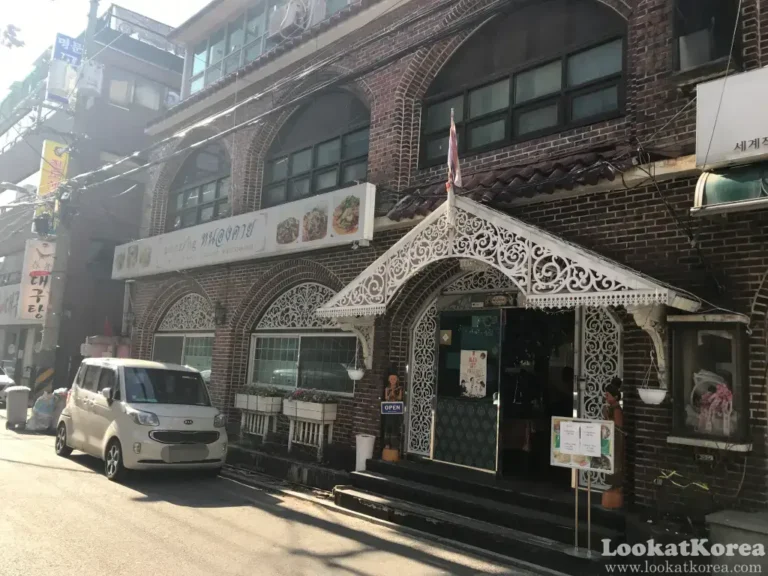
For most travelers, Jeonju means one thing: Jeonju Hanok Village. For me, though, Jeonju means pisundae and sundae-gukbap. Whenever I’m in Jeonju, there’s one place I never skip: Jojeomrye Nammun Pisundae (조점례남문피순대).
Before we start, a quick word. Pisundae is a traditional Korean sausage made mainly with seonji (congealed pig’s blood). Plenty of Koreans can’t eat seonji either, so it’s a dish people either love or hate. I wouldn’t recommend this place to every foreign traveler.
Where Is Jojeomrye Nammun Pisundae?
Jojeomrye Nammun Pisundae is inside Nambu Market (남부시장), a traditional market a short distance from Jeonju Hanok Village. If you use a map app or show the address to a taxi driver, searching the Korean name 조점례남문피순대 works best.
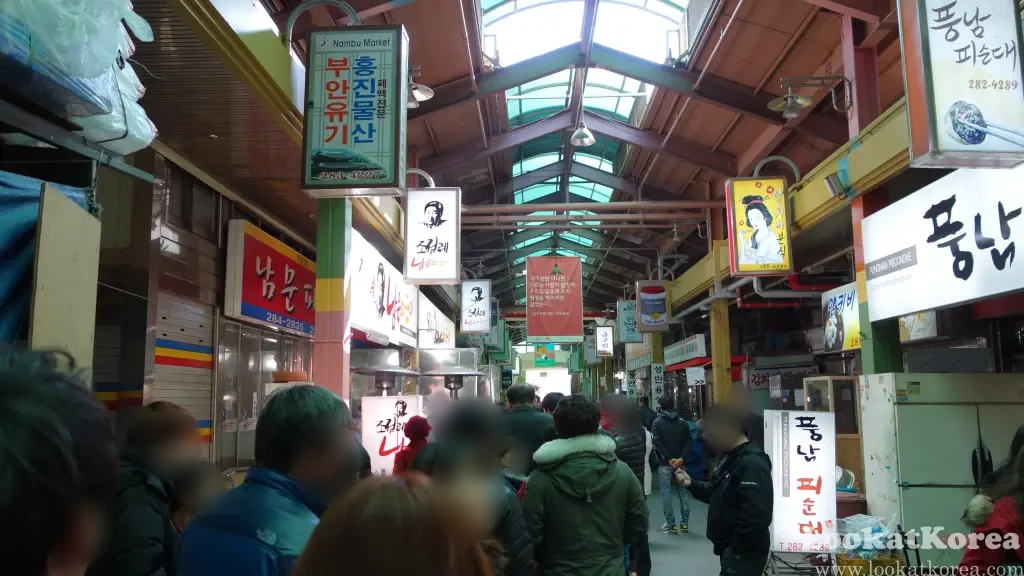
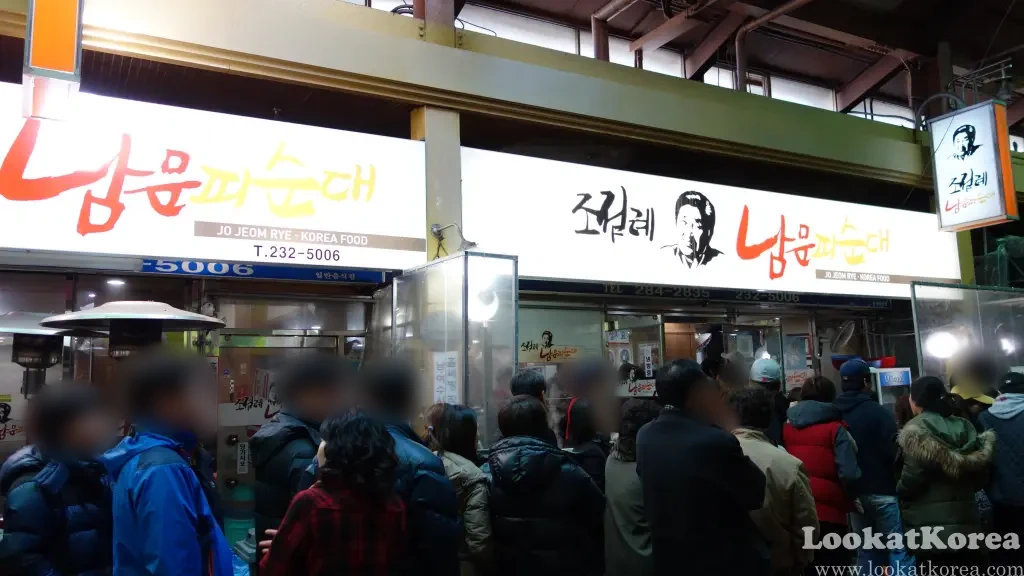
At lunch and dinner time, it gets crowded and you may have to wait in line, so plan your visit with that in mind.
Side Dishes
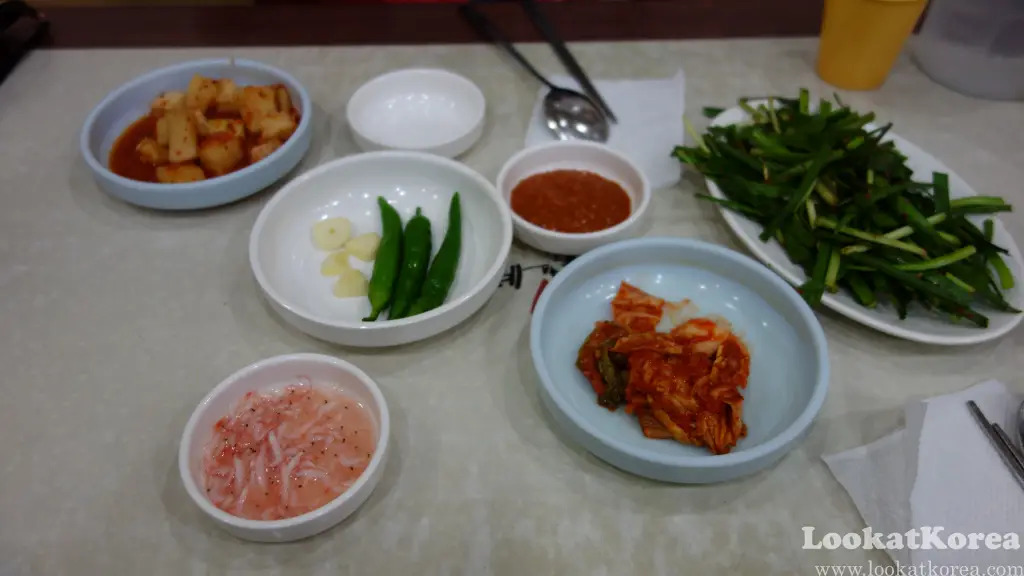
The side dishes are much like what you’d get at any Korean gukbap (rice soup) restaurant: kkakdugi (cubed radish kimchi), napa cabbage kimchi, green chili peppers with sliced garlic, seasoned garlic chives, ssamjang dipping paste, and saeujeot (salted fermented shrimp).
Seasoned Garlic Chives
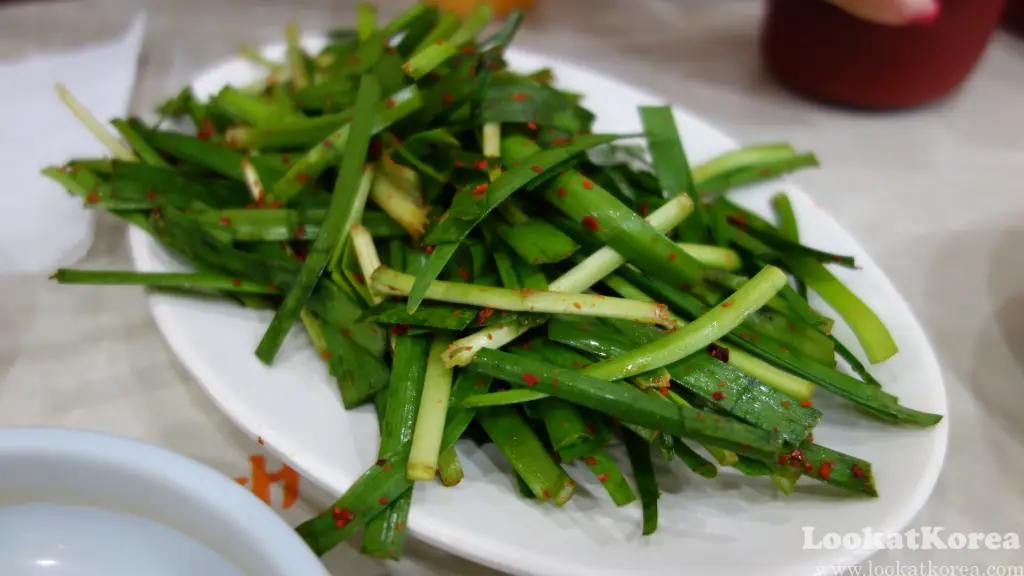
I recommend adding the seasoned garlic chives (buchu muchim) to your soup. Don’t put the whole plate in at once, though. Add a little, taste it, and if you like it, keep adding a bit at a time.
Sundae-gukbap
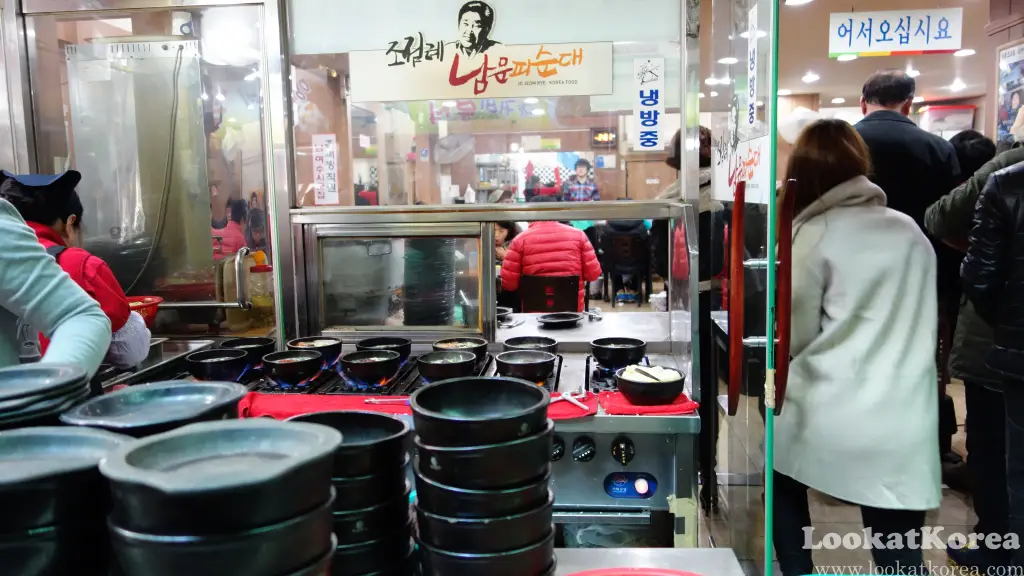
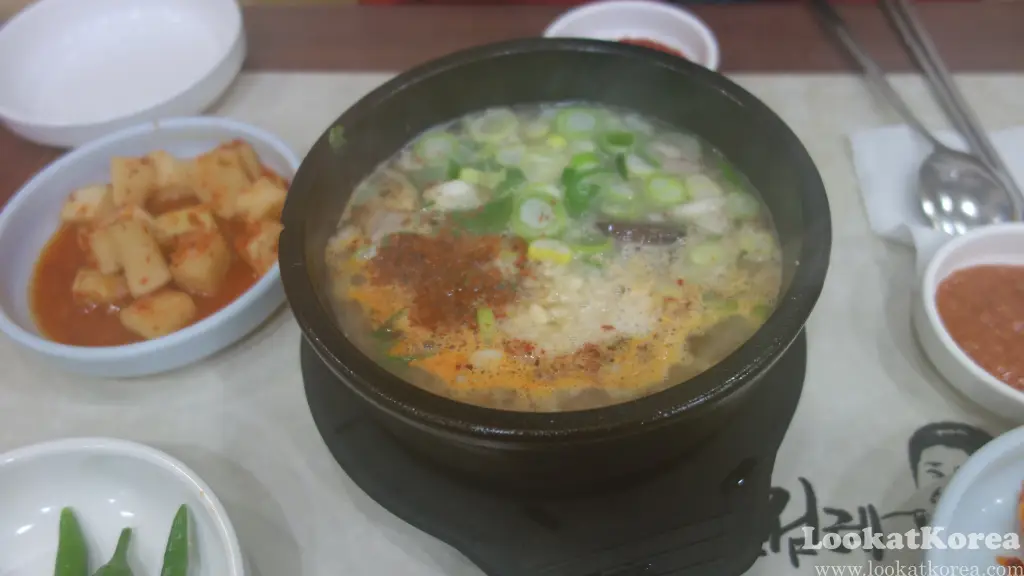
Here’s the sundae-gukbap, fresh off the stove. Taste the broth first. If it feels a little bland, season it with saeujeot instead of salt. Pork and salted shrimp go really well together. Even with saeujeot, don’t add a lot right away. Add a little at a time until it suits your taste.
Pisundae
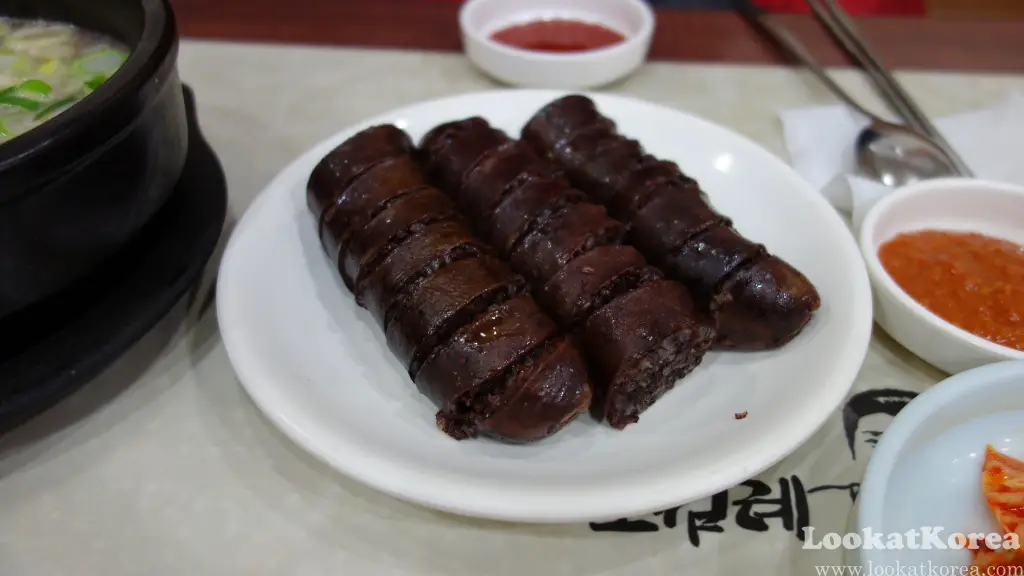
We ordered a small plate of pisundae. Dip it in the chogochujang (sweet and tangy red pepper sauce) that comes with it.
Makgeolli and Moju
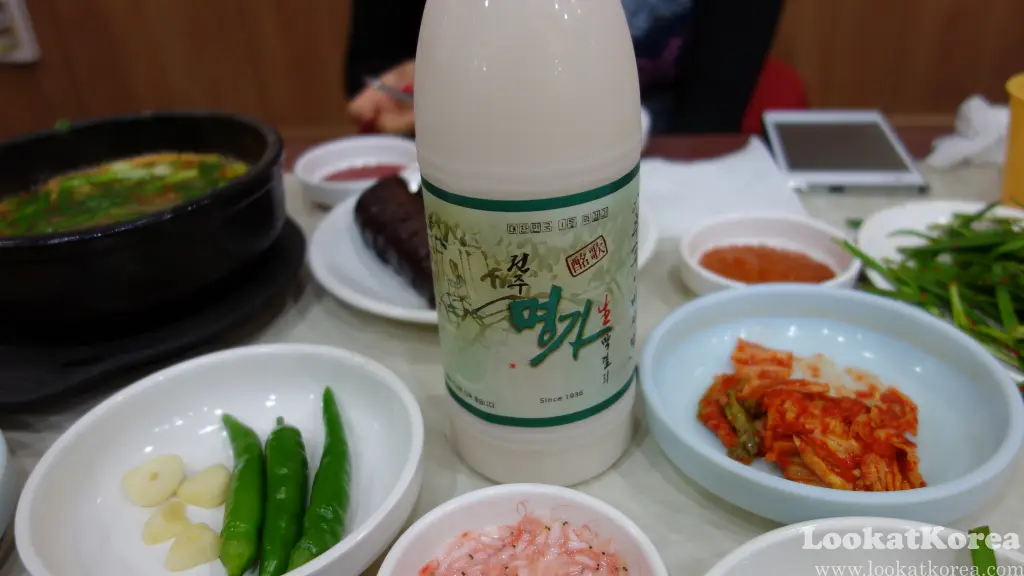
There were a lot of us that day, so we ordered makgeolli, as you can see in the photo. If you visit, though, I recommend moju (모주). Moju is a Jeonju specialty drink with a cinnamon aroma and a sweet taste, and its alcohol content is quite low.
Good to Know Before You Visit Jojeomrye Nammun Pisundae
The restaurant has been in business at this traditional market for a long time, and there are several similar sundae-gukbap restaurants nearby. With pots of sundae soup simmering all around, the market can have a distinctive smell.
It’s also not a particularly foreigner-friendly place. You may run into a language barrier, so it’s good to know that before you go.
There are a few kinds of sundae-gukbap on the menu. Just order the regular sundae-gukbap. If you like seonji and want extra pisundae, be clear that you want pisundae only (피순대만). There are other add-on options besides pisundae.
Final Thoughts
As I mentioned, some Koreans don’t eat pisundae because of the seonji. But the real charm of this place is that it’s a true local Korean restaurant. It tastes clearly different from the sundae you find at street food stalls, with a richer, more refined flavor. I personally love this place, and I think it may be the best pisundae restaurant in Korea.
Prices (at the time of my visit)
- Sundae-gukbap: 10,000 won
- Pisundae (small): 15,000 won
- Moju: 5,000 won
If you found this helpful, feel free to share it. If you quote or use any part of it, please credit Look at Korea with a link to this post.