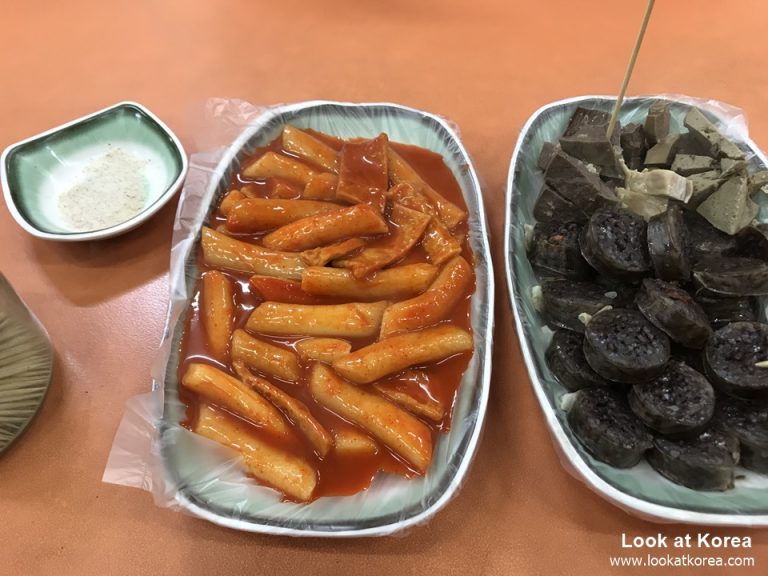
Sundae is a Korean dish made by stuffing pork intestines with vegetables, pork blood (seonji) and meat, then steaming or boiling it. Similar foods exist in many other countries, so it probably doesn’t need a long explanation.
Sundae in Korea
No one knows exactly when Koreans started eating sundae. Records from the Joseon Dynasty do remain, and they suggest it was a special dish made only on special occasions.
Because each region had different ingredients available, the fillings and the way sundae was made also varied from region to region.
Sundae went through a big change in Korea. Around the 1970s, glass noodles (dangmyeon) became cheap to mass-produce, and sundae filled with glass noodles became common. As a result, sundae turned from a special-occasion dish into an everyday food you eat with tteokbokki at a snack bar.
Types of Sundae
The glass noodle sundae mentioned above is made with glutinous rice as well as glass noodles for a chewy texture, so it became popular under the names chal-sundae or chapssal-sundae (glutinous rice sundae). As chapssal-sundae grew more popular, the older styles came to be seen as traditional sundae. Today, Koreans generally divide sundae into chapssal-sundae and traditional sundae.
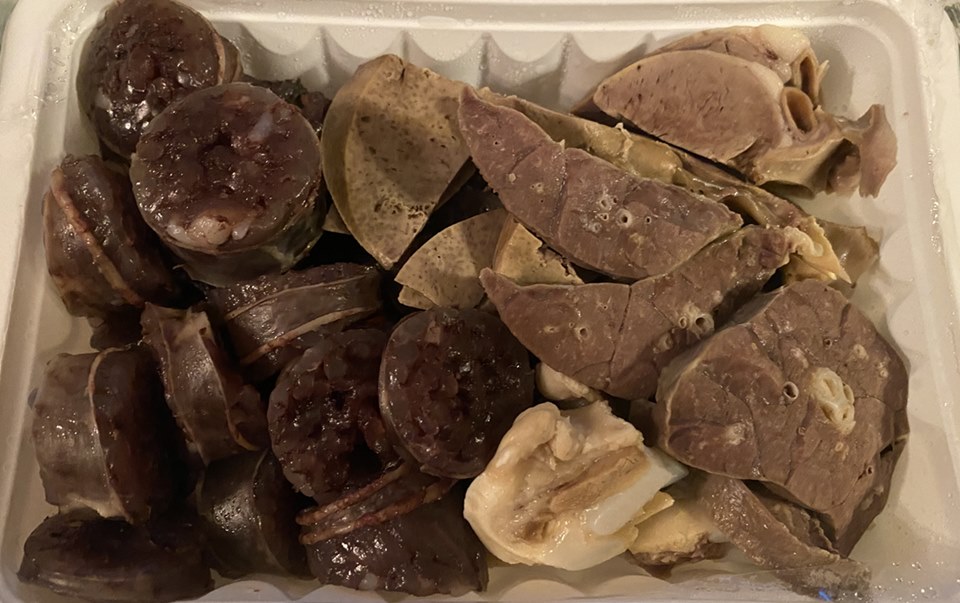
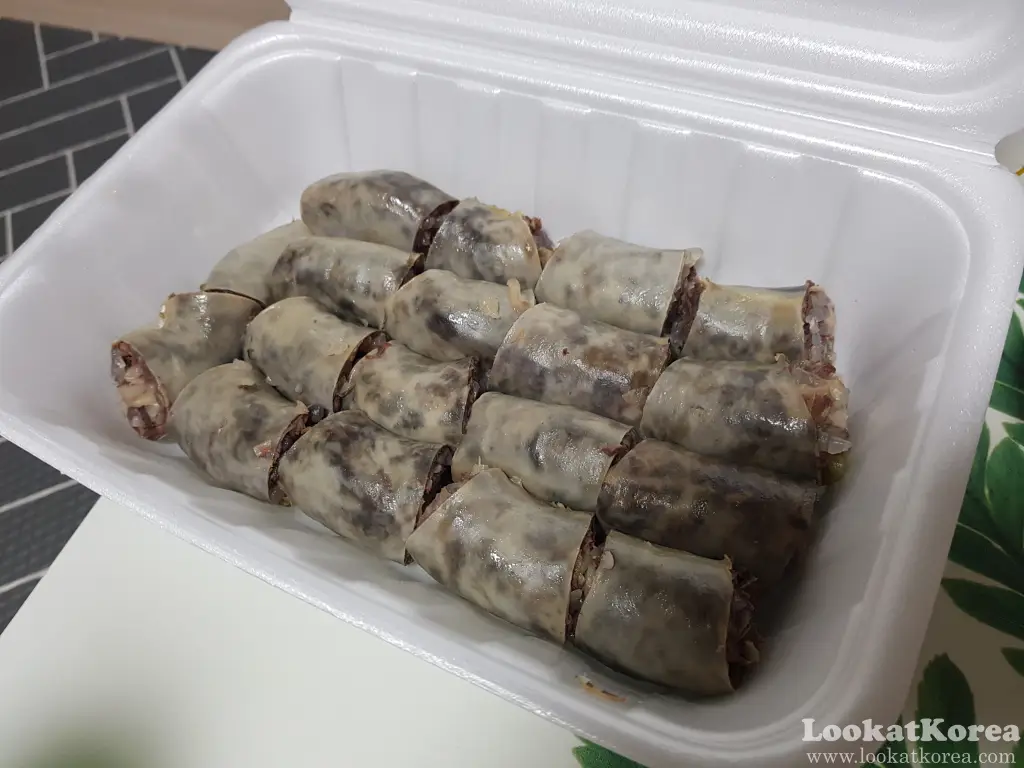
When you order sundae, it usually comes with steamed pork liver and lung, as you can see in the photo.
Traditional sundae is still available today. Few places sell only traditional sundae, but you can find it at old sundae-guk (sundae soup) restaurants in each region. There are many kinds, such as pi-sundae, Byeongcheon sundae, Baegam sundae and Ampong sundae, and I haven’t tried them all myself. Personally, the pi-sundae in Jeonju, Jeollabuk-do, left the strongest impression on me.
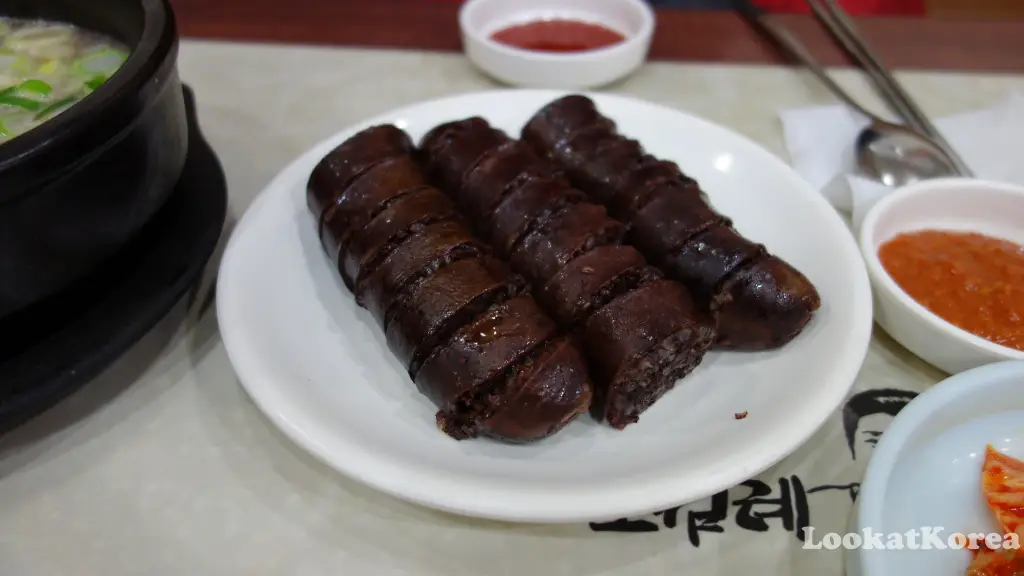
Even among traditional sundae, the look and taste vary depending on the casing and filling.
New Kinds of Sundae
Since sundae changes with its ingredients, new types keep appearing. Kimchi sundae, vegetable sundae, meat sundae, pizza sundae, cheese sundae and curry sundae have all been released, but none of them seem to have become very popular yet. You can see kimchi sundae in my review of Oneuleun Sundae.
Dishes Made with Sundae
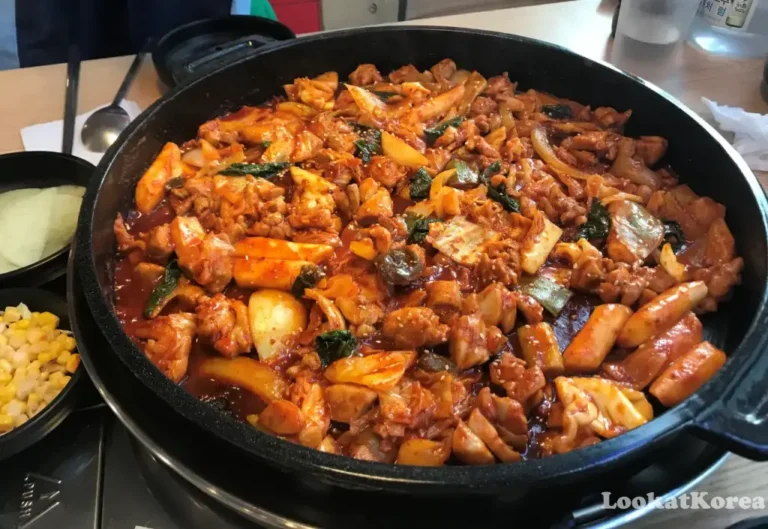
The most famous is sundae-guk (sundae soup), which I plan to cover in a separate post. Other dishes include sundae-bokkeum (stir-fried sundae), sundae skewers (sundae on a stick, deep-fried), sundae twigim (fried sundae) and sundae gangjeong.
Tips for Eating Sundae in Korea
If you’re traveling in Korea, chapssal-sundae is the easiest to find. Honestly, I think it falls well short of traditional sundae in taste. Still, I think it’s popular because people eat it with tteokbokki. It’s probably the best match for tteokbokki sauce.
The dipping sauce for traditional sundae differs by region. Salt is the most common, but depending on the area you may get salt mixed with red pepper powder, chogochujang (vinegared red pepper paste), makjang or soy sauce. If you get the chance to eat traditional sundae, check which sauce it comes with and try dipping it in that.
Finally, some Koreans can’t eat sundae at all, and some only eat chapssal-sundae. It’s hard to call it a must-try food for your trip to Korea, but if you’re having tteokbokki, I recommend trying chapssal-sundae with it at least once.
If you found this helpful, feel free to share it. If you quote or use any part of it, please credit Look at Korea with a link to this post.