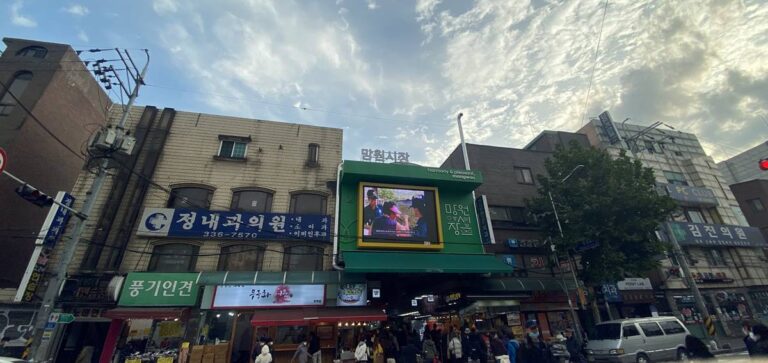
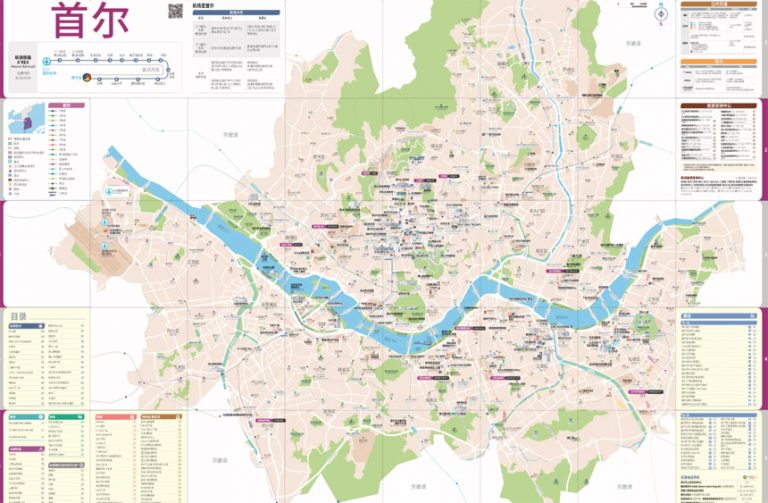
Gwangjang Market has been well-known for more than 100 years as a market with many textile wholesale and retail vendors such as hanbok fabrics, clothing, hardcover paper, curtains, and bedding.
Times have changed and traditional markets have gradually declined.
Gwangjang Market was also a declining traditional market.
Then, as the food sold at Gwangjang Market became popular, visitors increased rapidly, and thereafter, it continued to be popular with overseas travelers.
In other words, it would be hard to consider Gwangjang Market as a traditional market in Korea, but it would be good to visit it thinking that it is a place where you can eat Korean food cheaply.
The photos below were taken in March 2013, back when the food sold at Gwangjang Market was just starting to gain explosive popularity.
At that time, the market was still visited mostly by locals rather than overseas travelers.
In the years before the coronavirus pandemic, however, Gwangjang Market became crowded with tourists from abroad.
Inside Gwangjang Market
The types of famous foods in Gwangjang Market are the same as they are now, so you can refer to them.

Gwangjang Market has many entrances.
It doesn’t matter where you go.
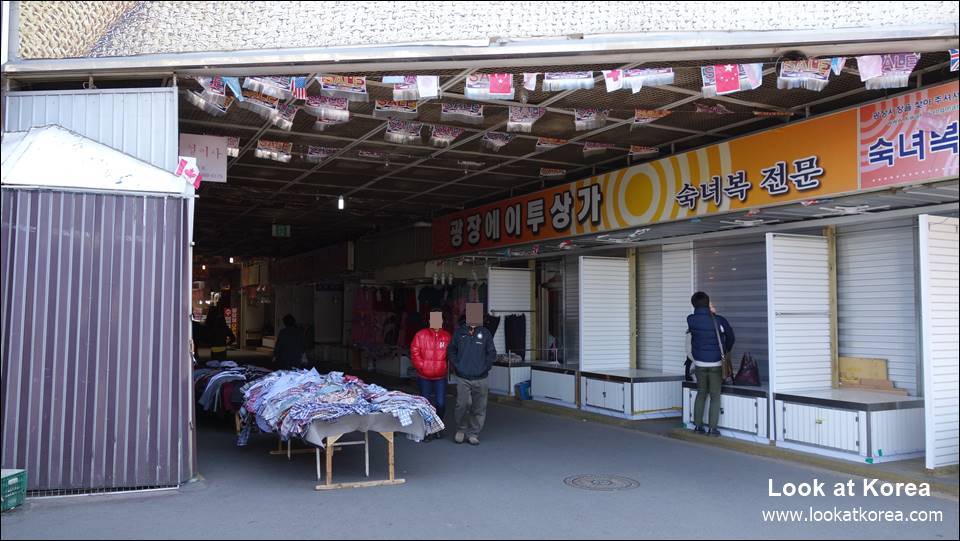
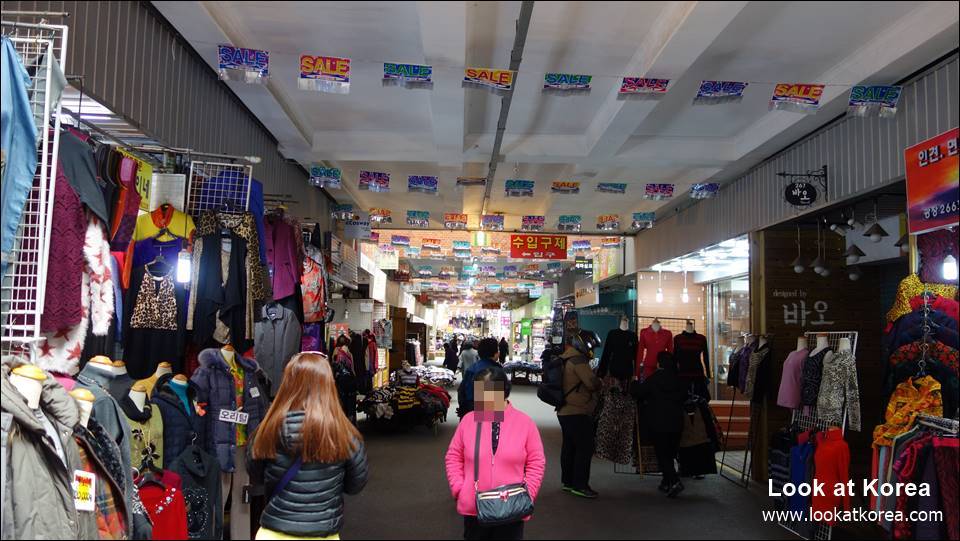
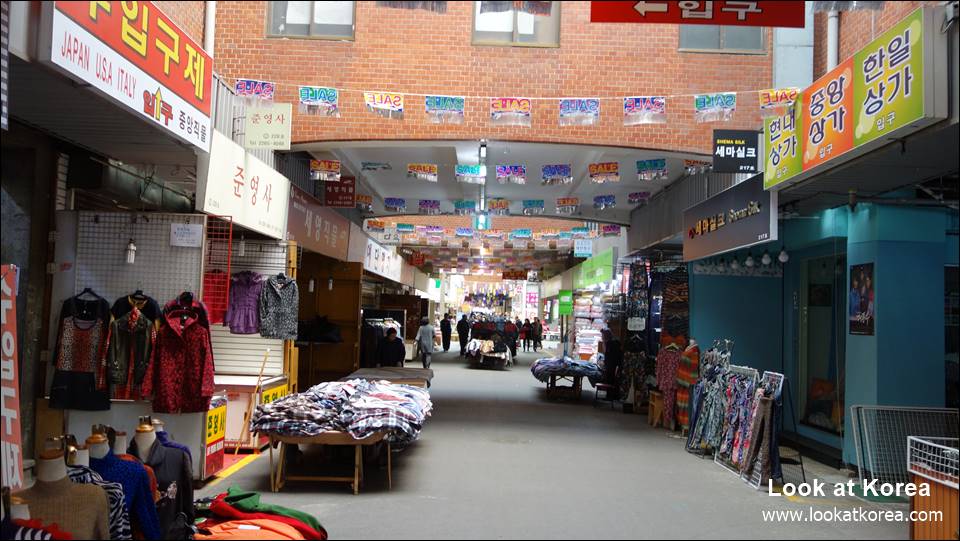
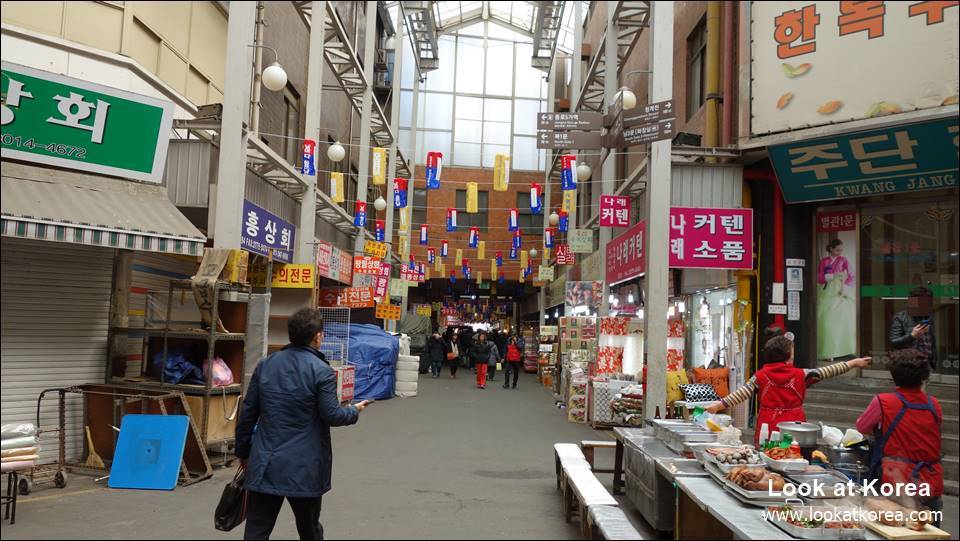
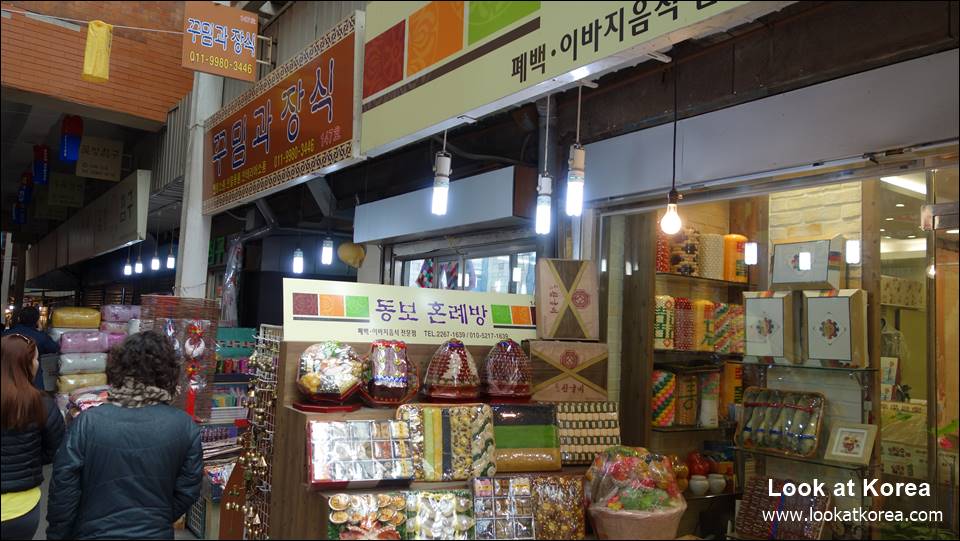
When you enter Gwangjang Market, you can’t see many people.
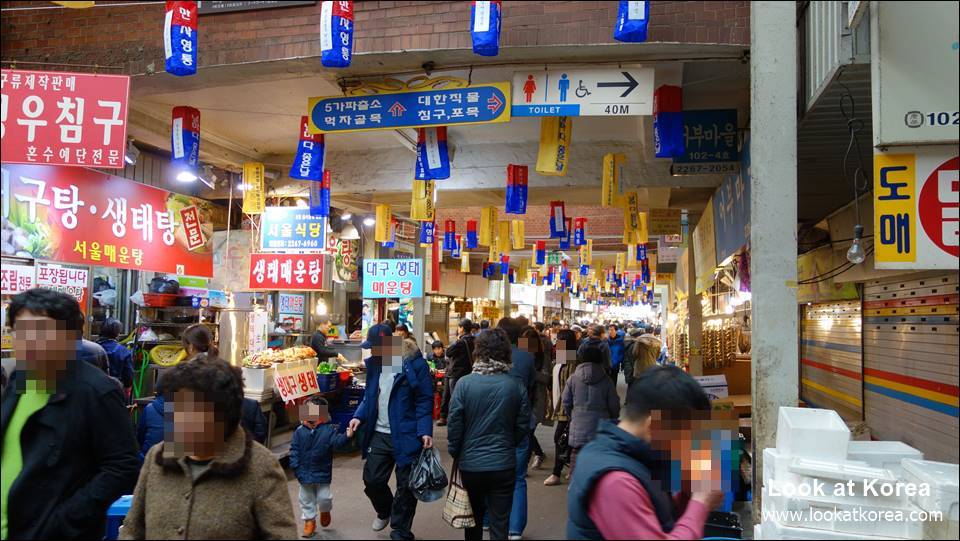
However, even from the place where food is sold, there is a huge crowd.
This is a place where Daegutang and Sangtae maeuntang restaurants are gathered.
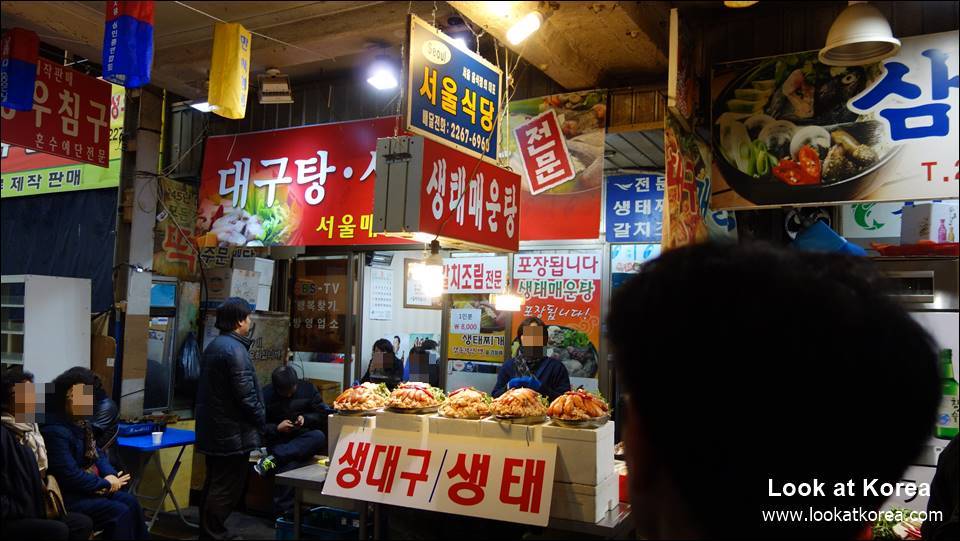
Daegutang (Spicy cod fish stew) and Sangtae maeuntang (Spicy undried and uniced pollack fish stew) are delicious here.
Even when many foreign tourists visited, it was a place where most Koreans visited.
It’s a good food to drink with soju, but it’s hard for foreigners to eat.


It’s a really crowded place from here.
There are almost all the places that sell popular foods in Gwangjang Market.

There are places that sell sundae and Janchi-guksu.
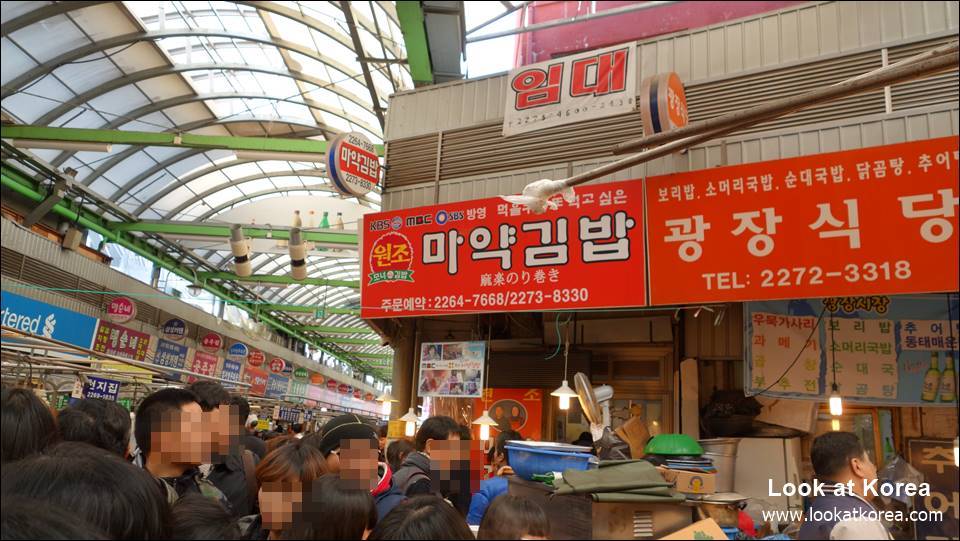
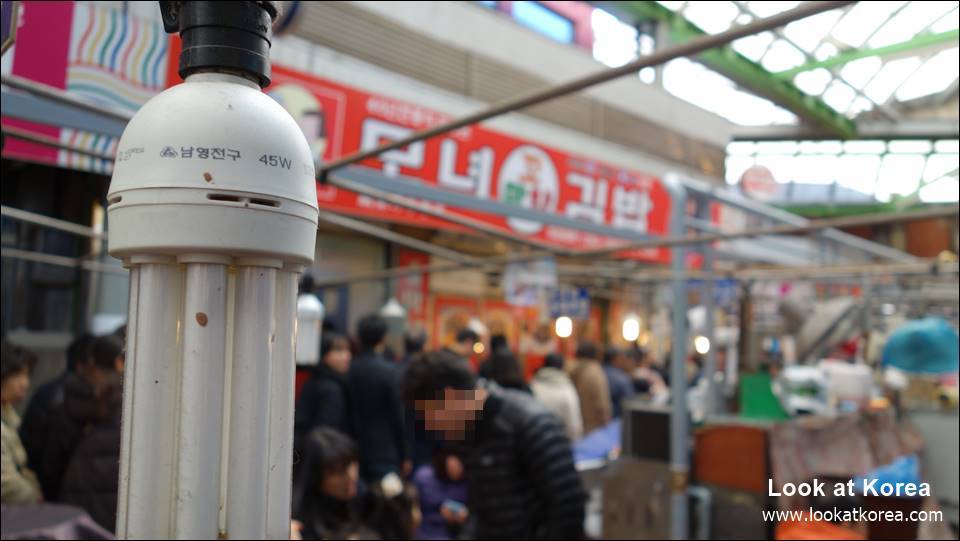
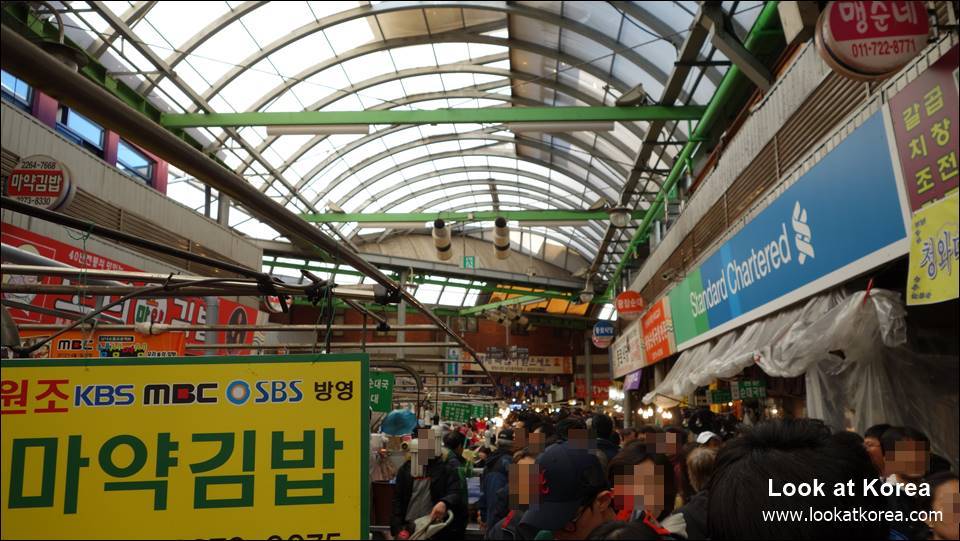
There were a lot of people waiting for Mayak gimbap. I had to wait in a long line.

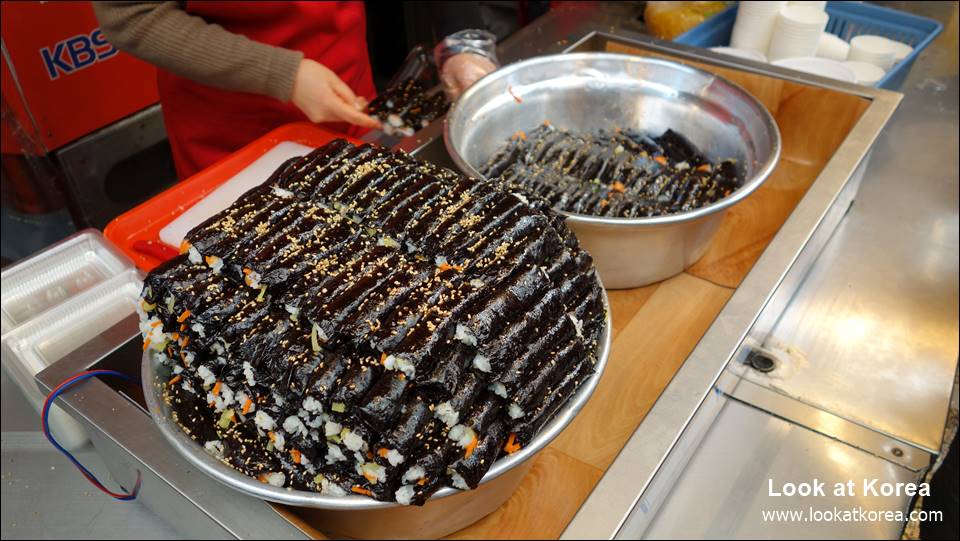
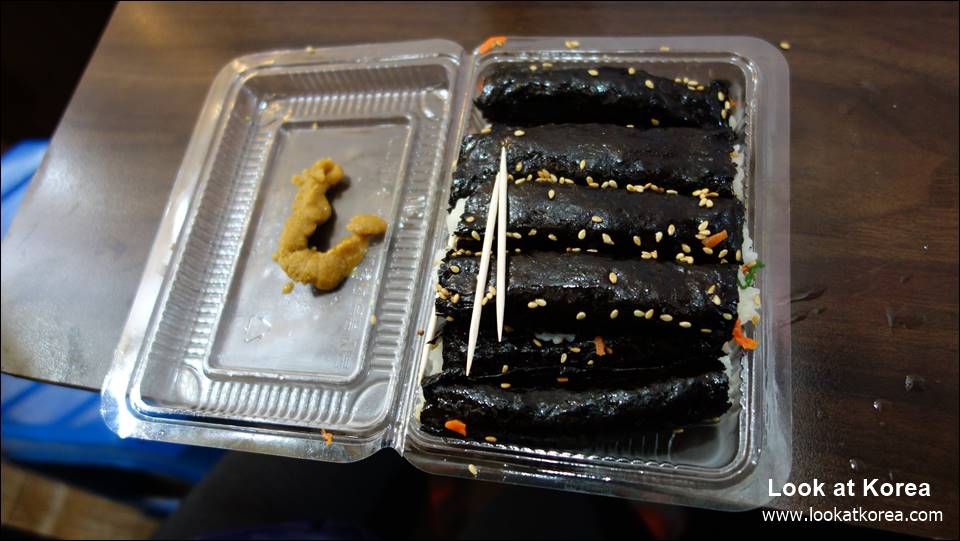
Mayak Gimbap
Mayak means drugs.
The name was given to the meaning that once you eat it, you will continue to eat it.
Mayak Gimbap cost about 3,000 won at the time of this visit (2013) — expect prices to be noticeably higher today.

This place sells Son-Kalguksu (handmade knife-cut noodle soup).
Son-Kalguksu is popular among children because it is not spicy.
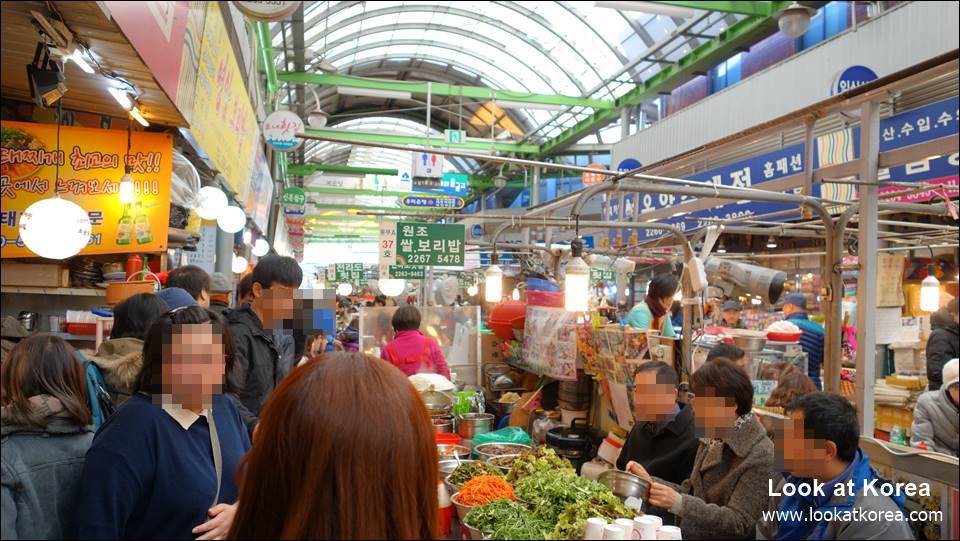

Boribap
This place sells Boribap (Barley Rice).

Soybean paste soup boiling in a large pot

In Korea, Boribap does not simply mean barley rice.
It means mixing a large number of vegetables and barley rice with red pepper paste.
And soybean paste soup comes out.

Add vegetables like this and mix them together.
Personally, it is my favorite food in Gwangjang Market and I recommend it to overseas travelers.
The price was surprisingly low at 5,000 won at the time of this visit.
At $4.4, you could have a full meal — though current prices are likely higher.
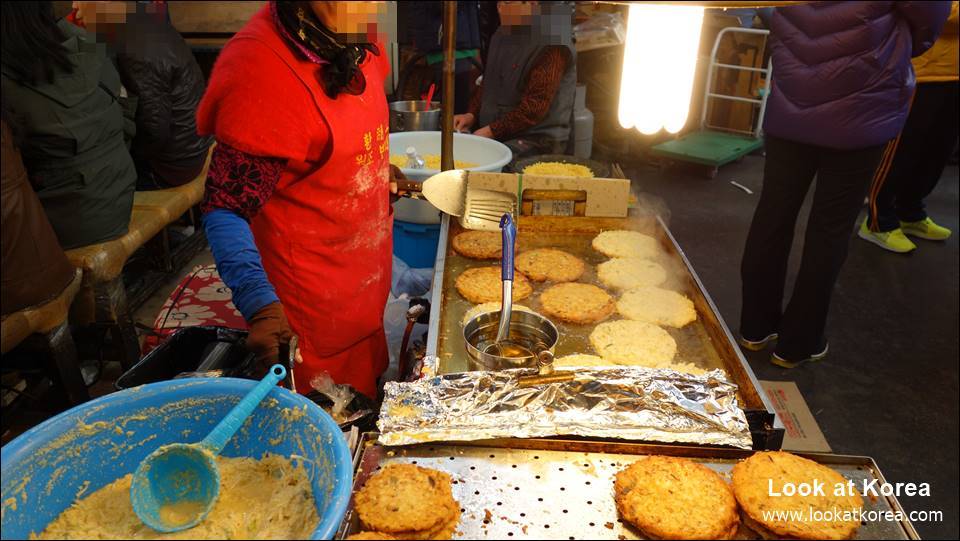
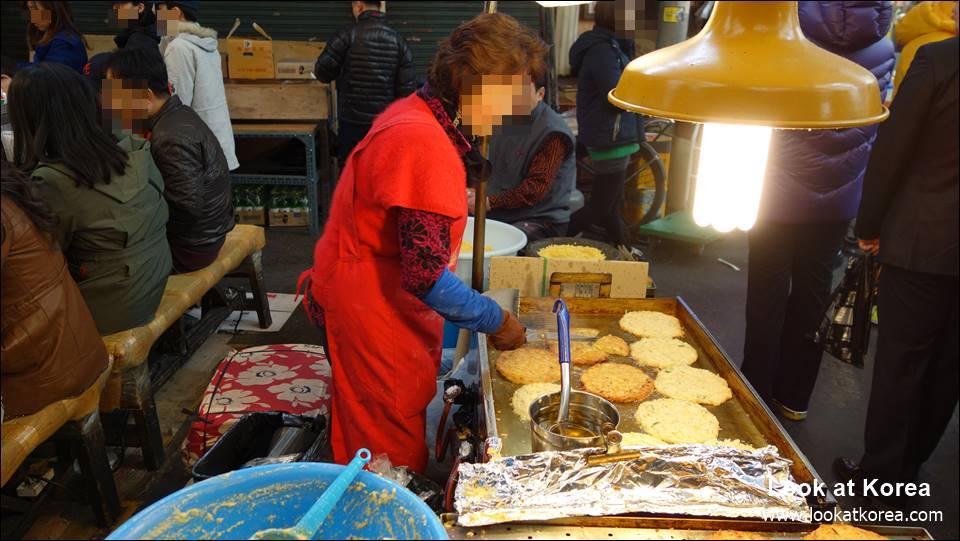
Nokdu-jeon
It is Nokdu-jeon (Mung Bean Pancake), which is as popular as Mayak kimbap in Gwangjang Market.
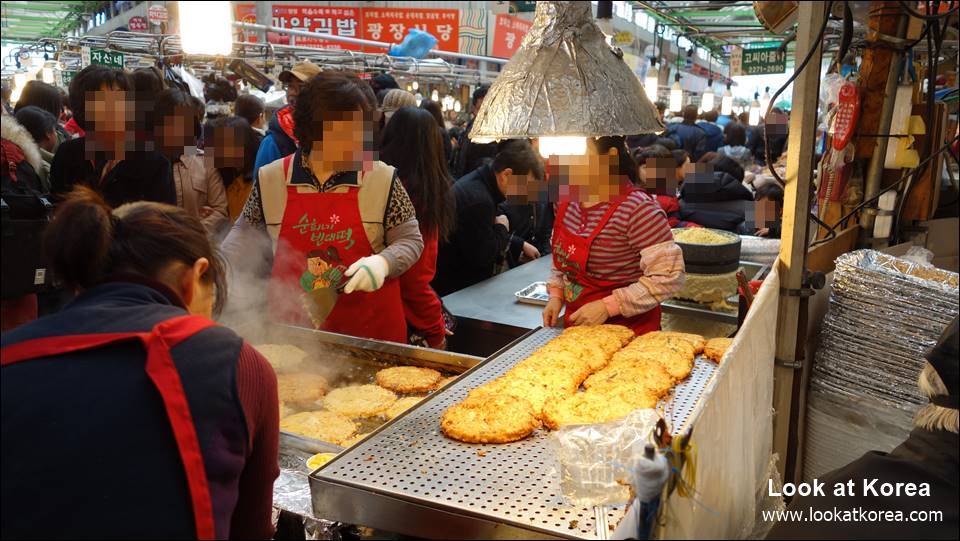
There is a long line of people waiting for Nokdu-jeon.
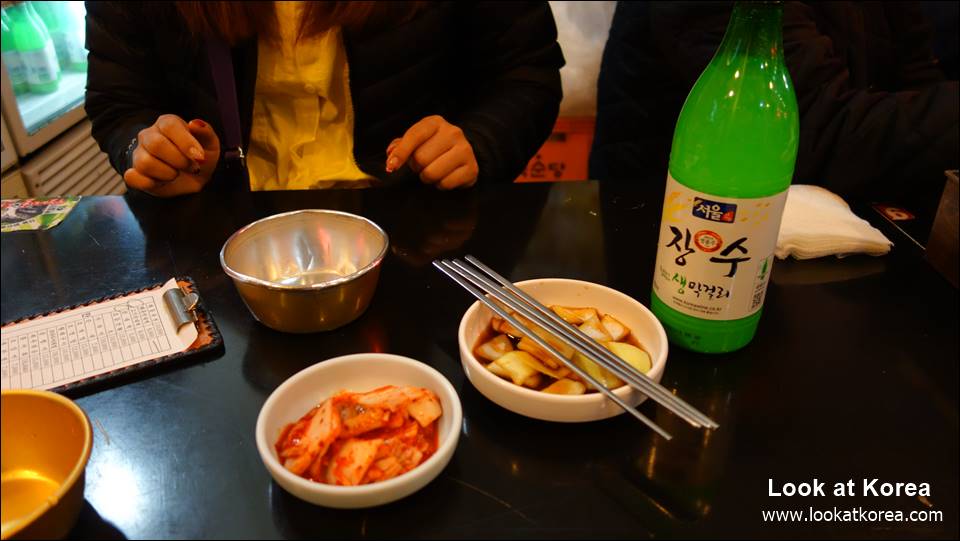
I waited for a long time and came into the restaurant where I ate Nokdu-jeon.
And I also ordered makgeolli that goes well with Nokdu-jeon.

This place is full of people, too.

The Nokdu-jeon in Gwangjang Market is not popular because it tastes better than other Nokdu-jeon.

This is because Nokdu-jeon is quite large, priced at around 4,000 won at the time of this visit (prices have likely risen since).
Of course, the taste is a bit lacking compared to some other Nokdu-jeon, but the size makes up for it.
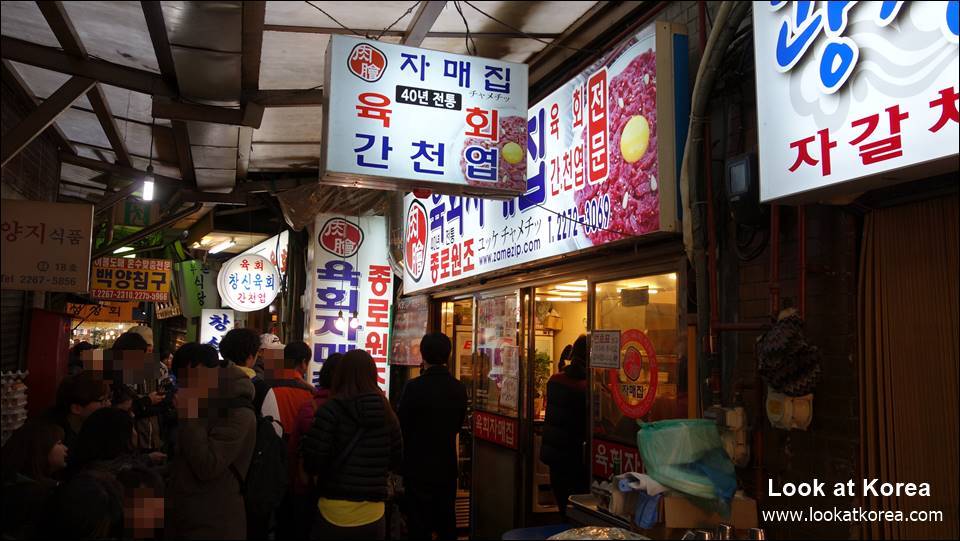
Yukhoe
This place is where yukhoe restaurants are gathered.
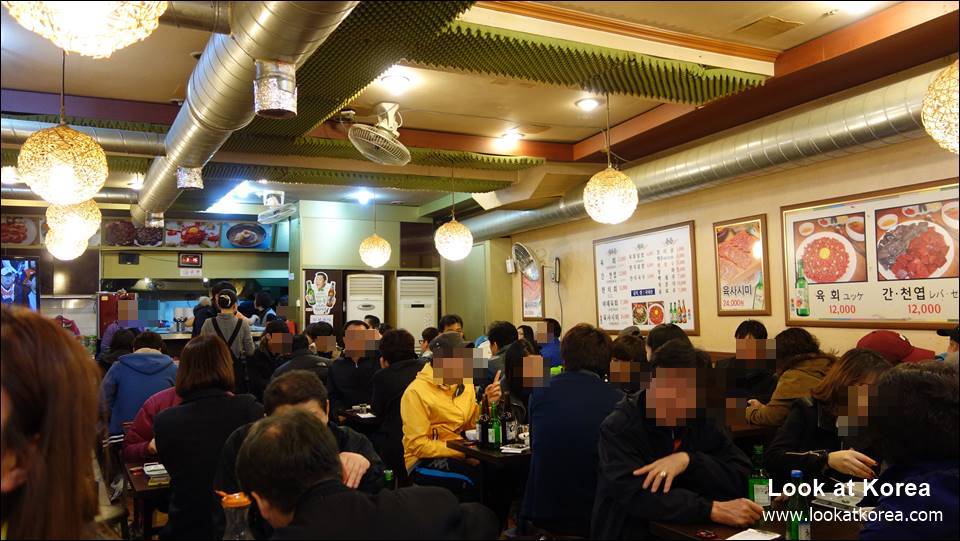
This restaurant is full of people, too.

Since this visit, the price of Yukhoe has increased to around 15,000 won, and is likely higher still today.
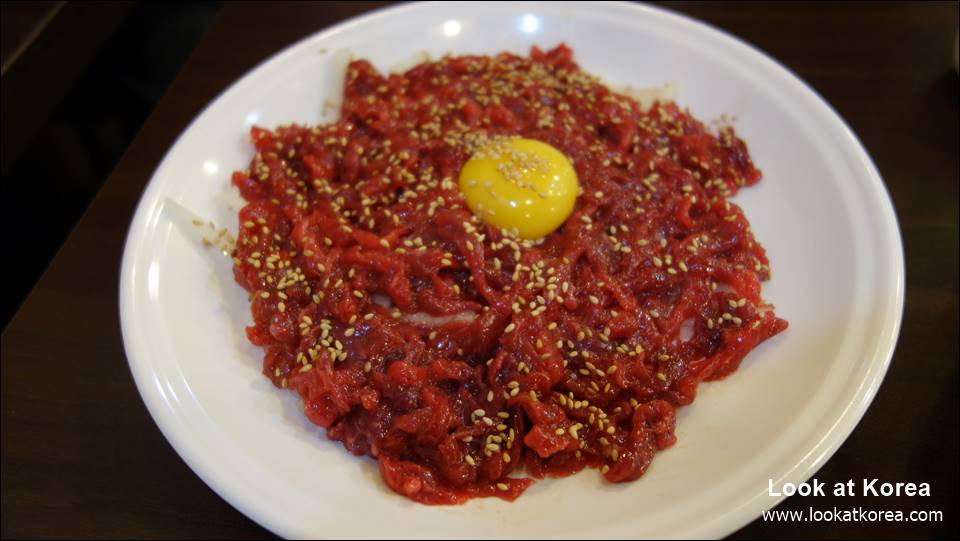
This is what yukhoe looks like.
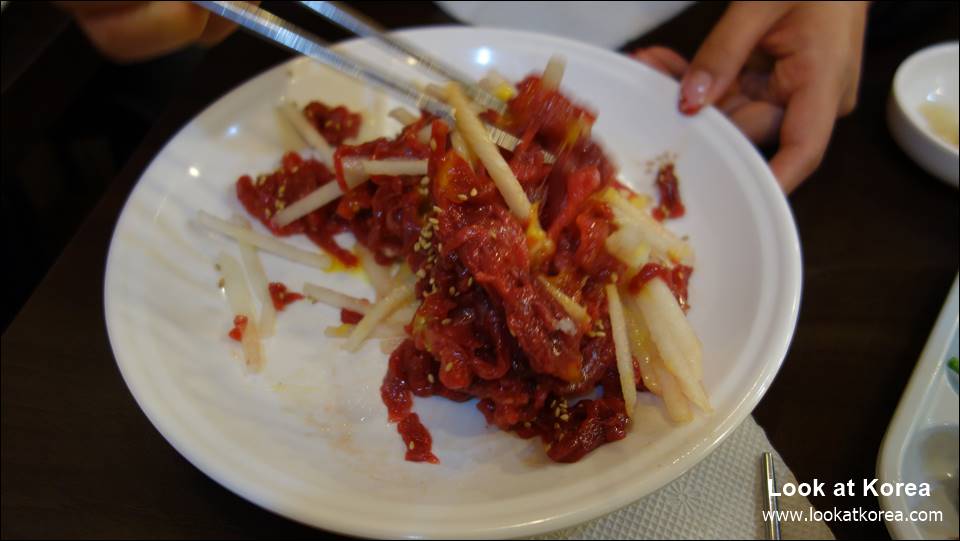
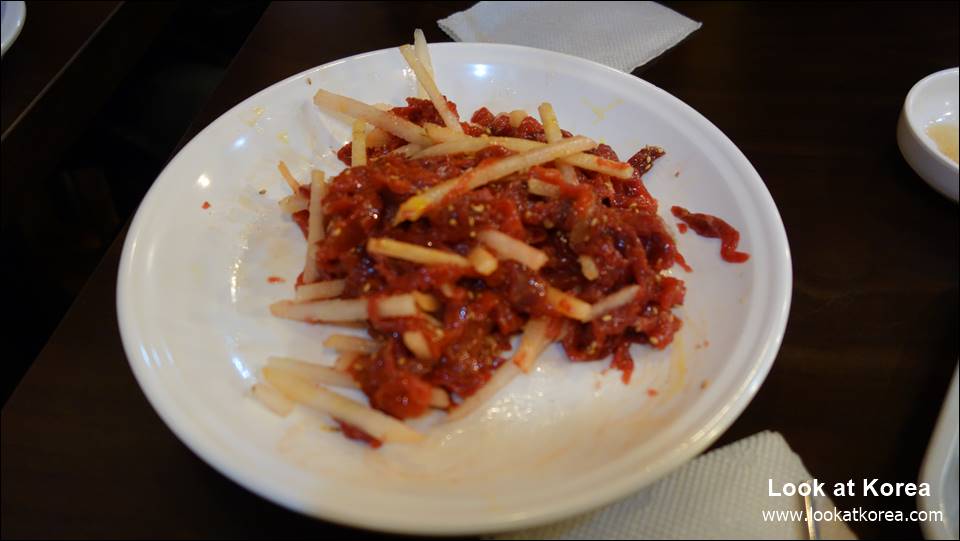
You can just mix it and eat it.
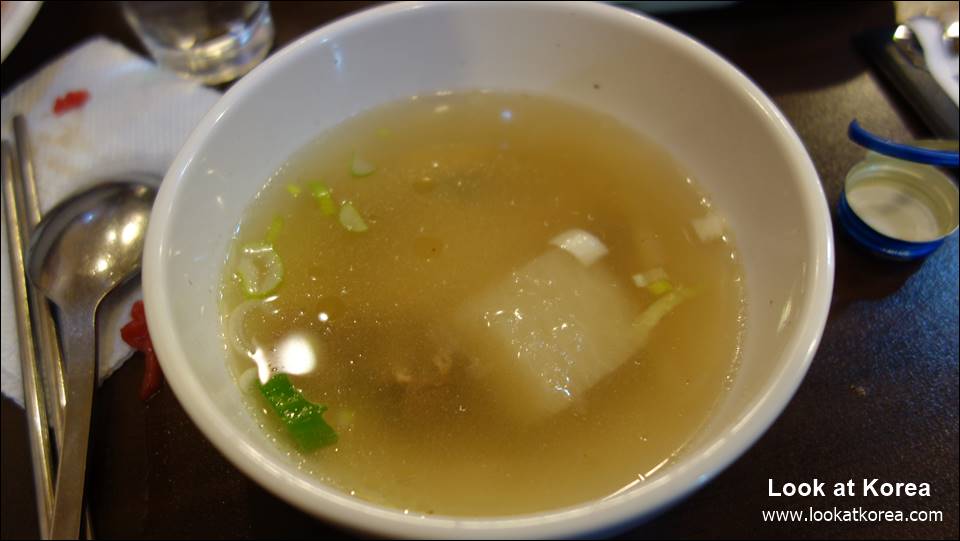
Sogogi Muguk (Beef Radish Soup) is also served.
Yukhoe is also a great food to eat with soju.
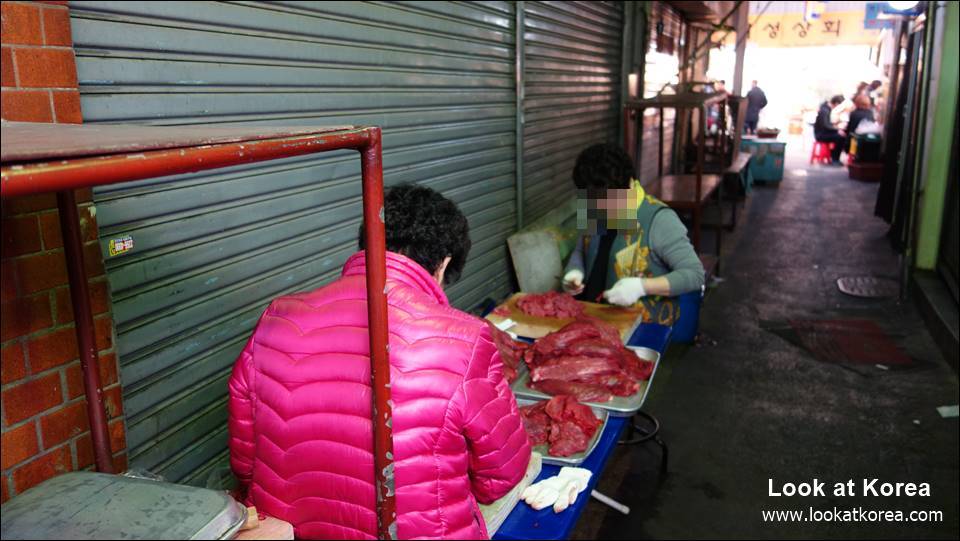
One side is trimming the beef like this.
Gwangjang Market Is Still Worth Visiting
When overseas travelers resume their trip to Korea, travelers will visit Gwangjang Market as before.
As mentioned above, Gwangjang Market is now a market where Korean food can be eaten cheaper than traditional markets.
If you are in Seoul, I recommend you to visit Gwangjang Market.
Boribap, Nokdu-jeon, and Mayak gimbap are not spicy, so I recommend you to try them.
One good way would be to eat Boribap and Nokdu-jeon and Mayak kimbap.
You can find more information from the Seoul Metropolitan Government’s official page on Gwangjang Market (the market’s old official website is no longer active).
Also Check TripAdvisor’s review of Gwangjang Market.